Respiratory illness season peaks in the winter, but facilities win or lose it in September. By the time absenteeism spikes and every buyer in the country is chasing the same pallet of wipes, the prepared building already has its stock on the shelf. Here is the checklist.
1. Audit every dispenser now
Walk the building. Every sanitizer and soap dispenser should be working, filled, and positioned where traffic actually flows — entrances, elevator banks, cafeterias, shared equipment. Replace broken units in September, not during the January surge.
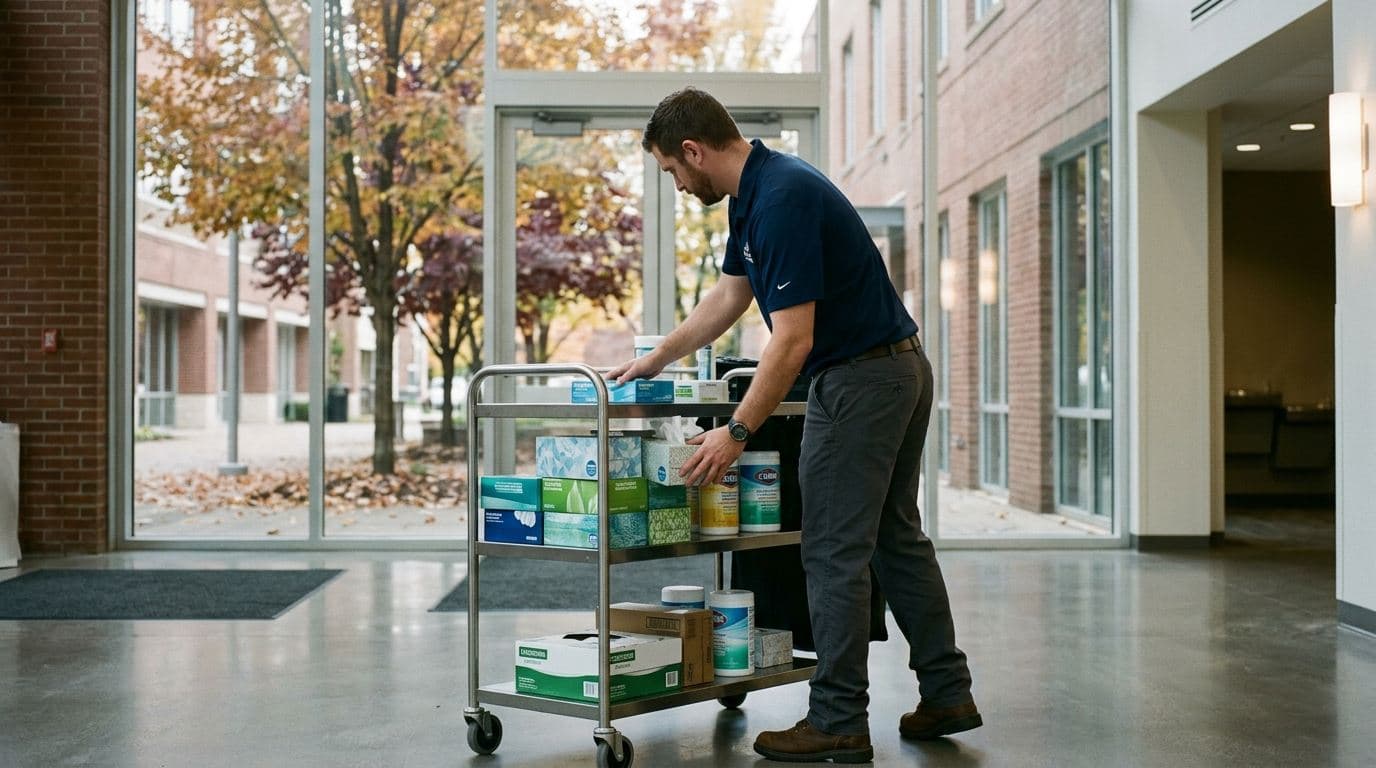
2. Stock the respiratory season basics
- Hand sanitizer and soap at burn rates 30 to 50 percent above baseline
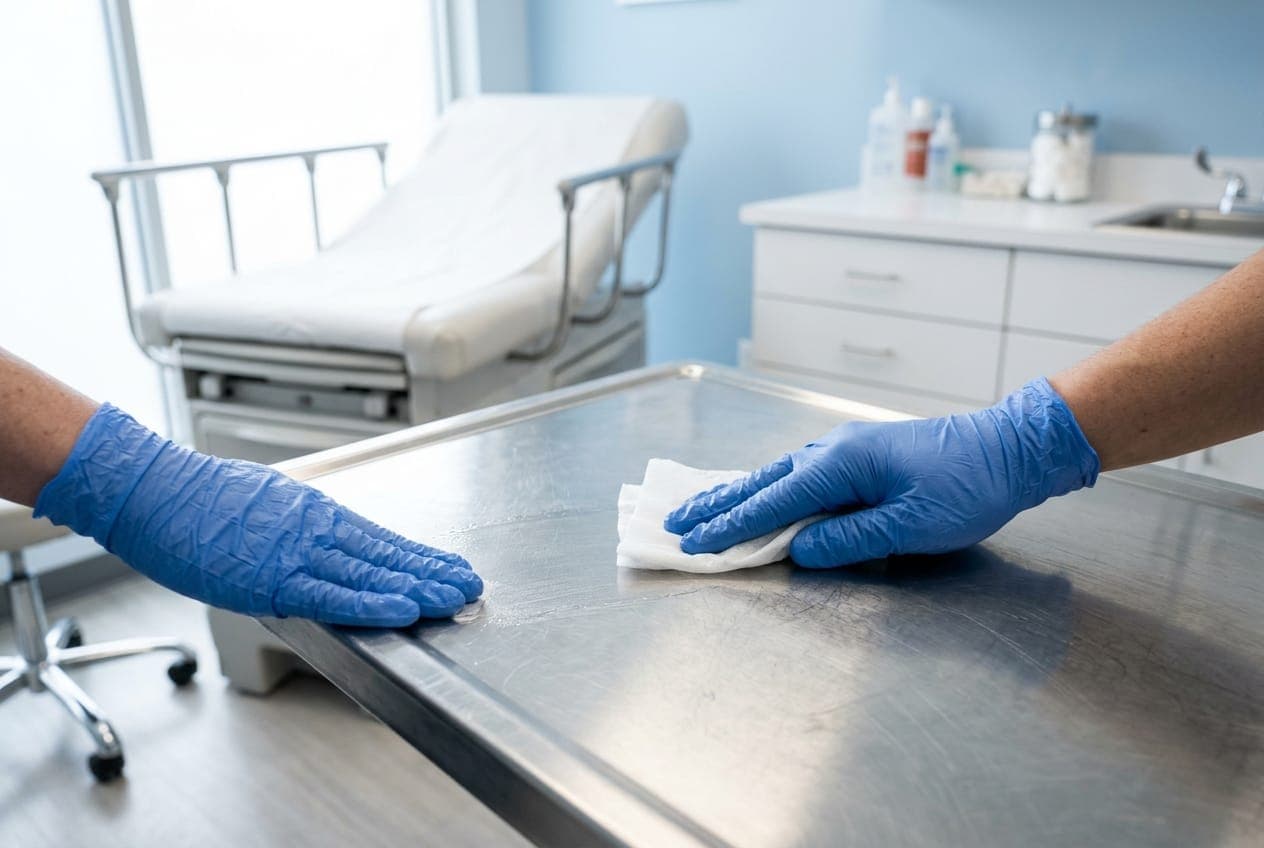
- Surface wipes and disinfectants for high-touch points
- Facial tissue everywhere people sit
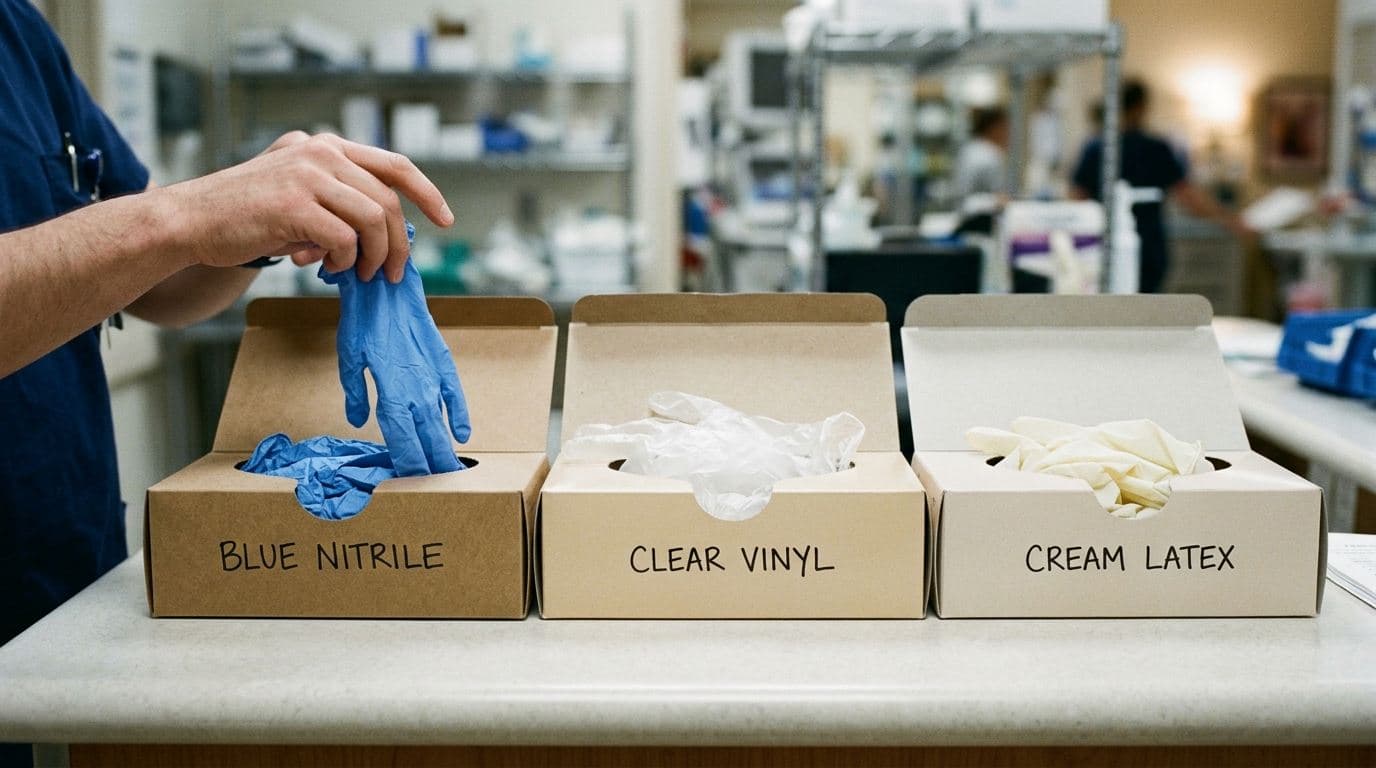
- Masks and gloves for staff who want or need them

3. Tighten the cleaning cadence
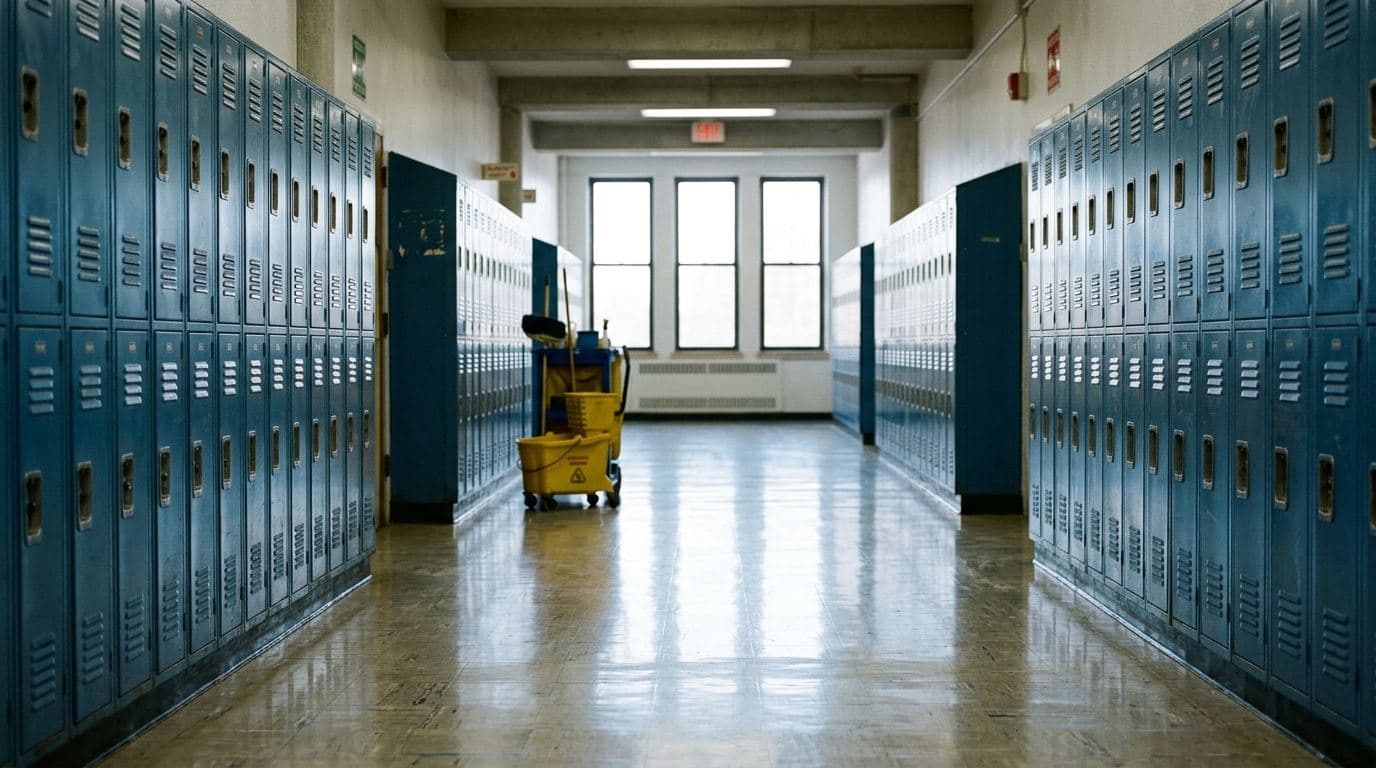
High-touch surfaces — door hardware, rails, elevator panels, shared keyboards — deserve a documented wipe-down frequency that increases through the season. Wet winter floors also mean matting, wet-floor signage, and floor care chemistry ready before the first storm.
4. Order before the crunch
Supply chains tighten every respiratory season. Orders placed in September ship from stock; orders placed in January join a queue. ASP supplies all of the above through one vendor, with GSA Advantage access for federal buyers — and Covexall, a water-based sanitizer whose continued antimicrobial activity for up to four hours after application is built for exactly the season when every door handle is a handoff.
Covexall is a topical hand sanitizer for external use only. Performance figures referenced in this article are drawn from the 2022 Covexall white paper and the independent laboratory studies cited in it, including testing conducted at Arizona State University's Biodesign Institute. Continued antimicrobial activity lasts up to four hours after application.