It is the most common question in hand hygiene, and the honest answer is that it is the wrong question. Soap and sanitizer are not competitors. They are different tools that win in different moments, and a well-run facility deploys both deliberately.
When soap and water wins
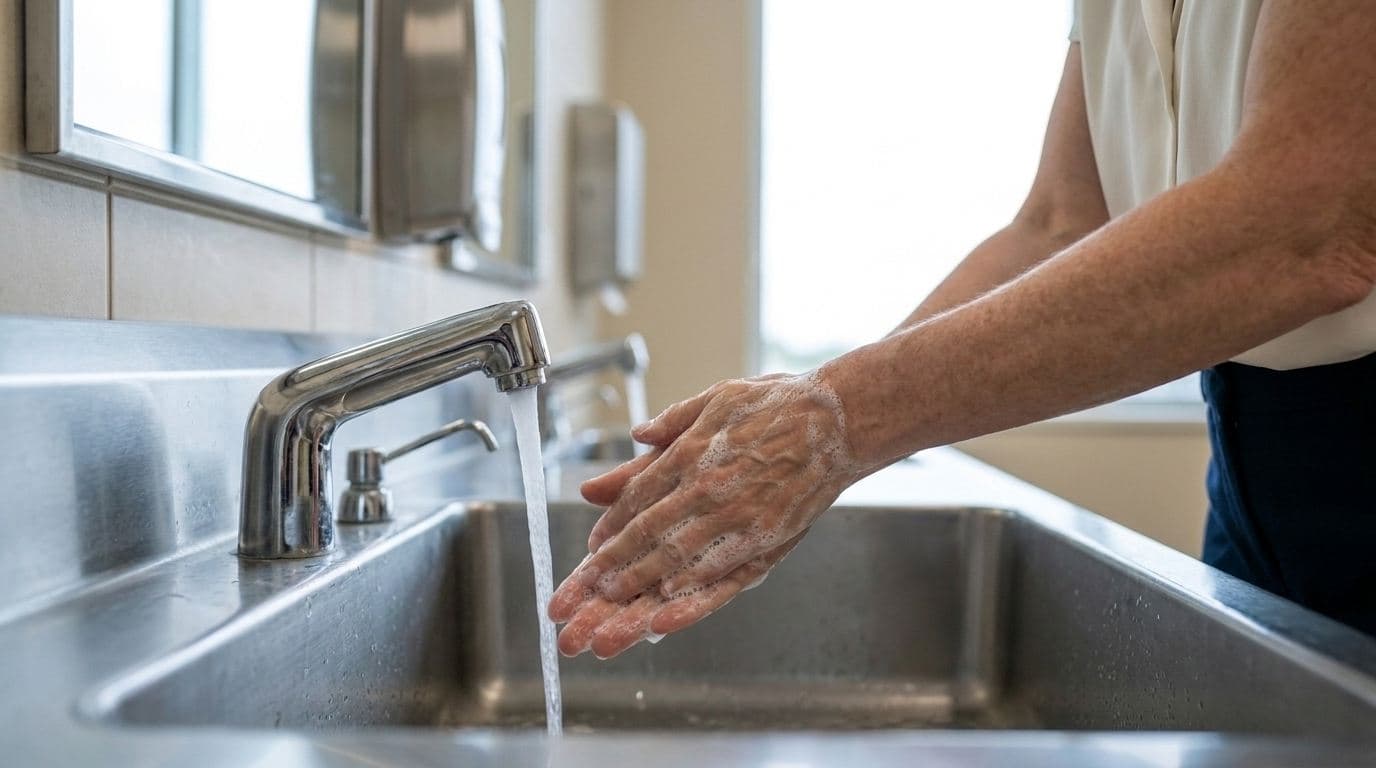
Washing with soap works mechanically: surfactants lift soil, grease, and microbes off the skin and the water carries them down the drain. That mechanical removal is why soap wins whenever hands are visibly dirty or greasy, after restroom use, before food handling, and against certain hardy organisms — most famously C. difficile spores, which resist chemical kill and must be physically washed away. No sanitizer replaces the sink in those moments.
When sanitizer wins
Sanitizer wins on frequency and access. Nobody walks to a sink forty times a shift, but a dispenser can be three steps from every doorway, elevator, cart, and register. For routine decontamination of hands that are not visibly soiled, sanitizer delivers most of the protection at a fraction of the friction — and hygiene that actually happens beats perfect hygiene that does not.
The compliance math
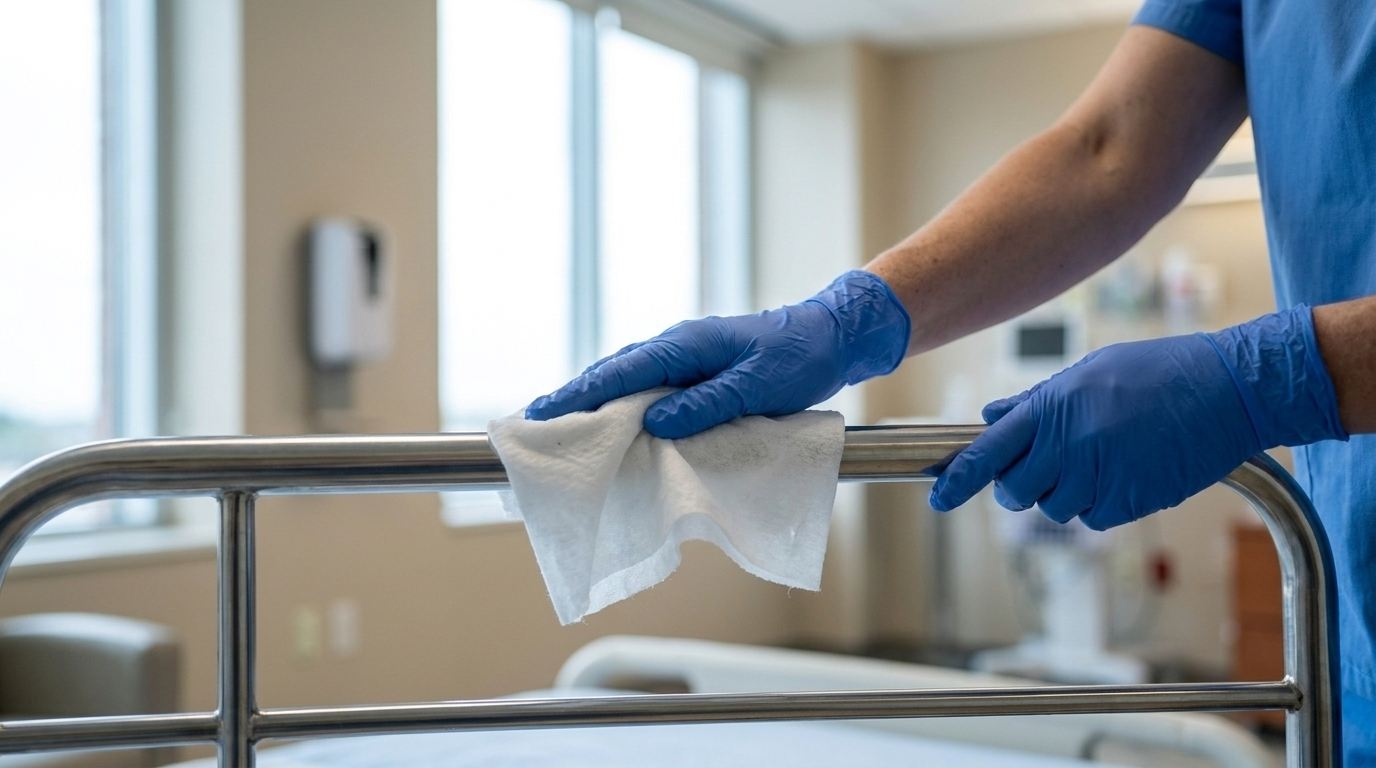
Facility hygiene lives or dies on repetition, and repetition dies on discomfort. This is where formulation matters: alcohol sanitizers dry and crack skin with heavy use and sting on broken skin, which quietly trains people to skip the dispenser. A moisturizing, water-based option like Covexall removes that penalty — it is painless on cuts, hypoallergenic, and kills 99.9 percent of pathogens on contact with continued activity for up to four hours after application.
The facility playbook
- Sinks stocked with quality soap at restrooms, kitchens, and clinical areas — non-negotiable
- Sanitizer dispensers at every high-traffic decision point where a sink is not
- Signage that tells people which tool the moment calls for
Covexall is a topical hand sanitizer for external use only. Performance figures referenced in this article are drawn from the 2022 Covexall white paper and the independent laboratory studies cited in it, including testing conducted at Arizona State University's Biodesign Institute. Continued antimicrobial activity lasts up to four hours after application.